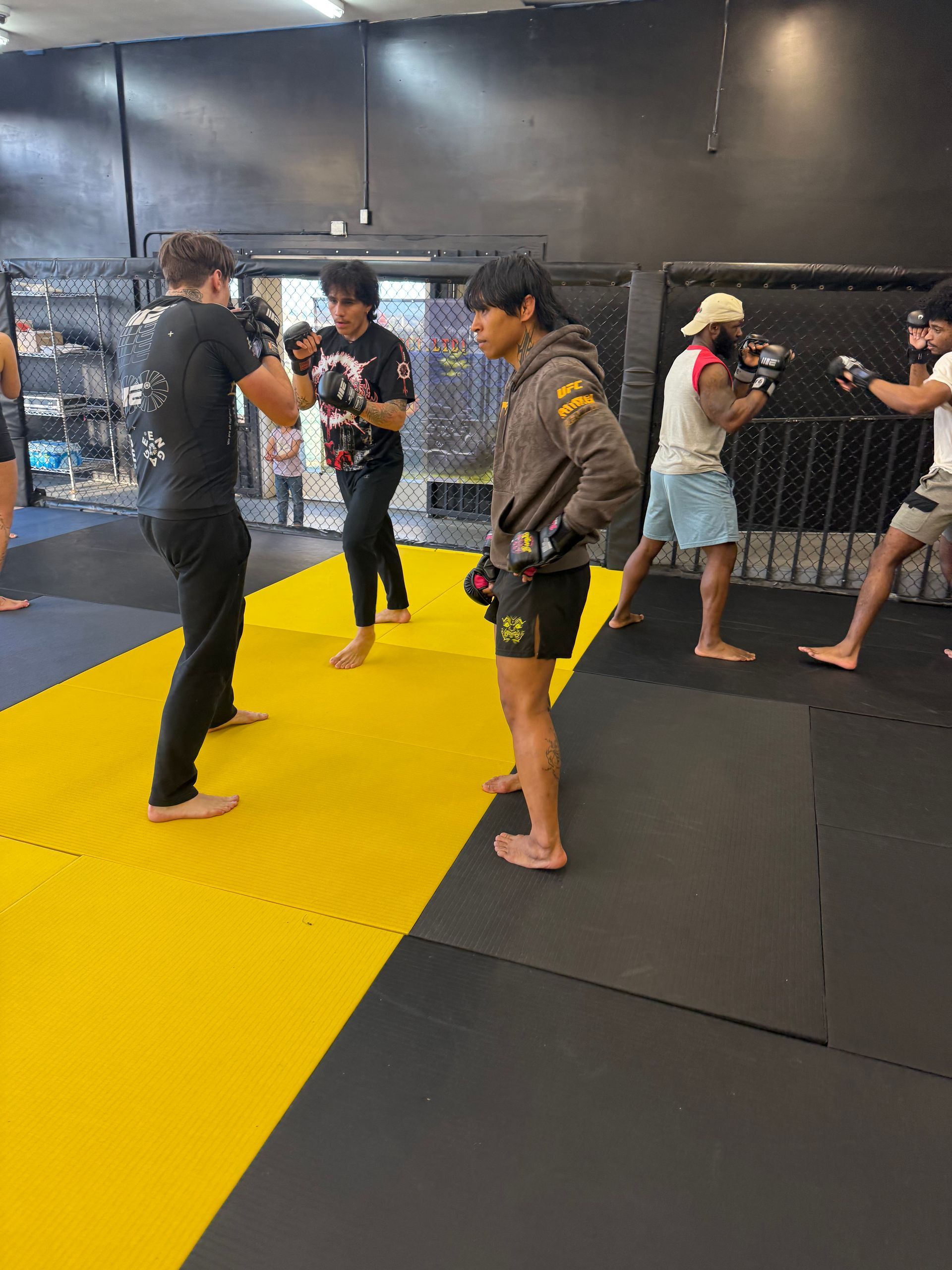
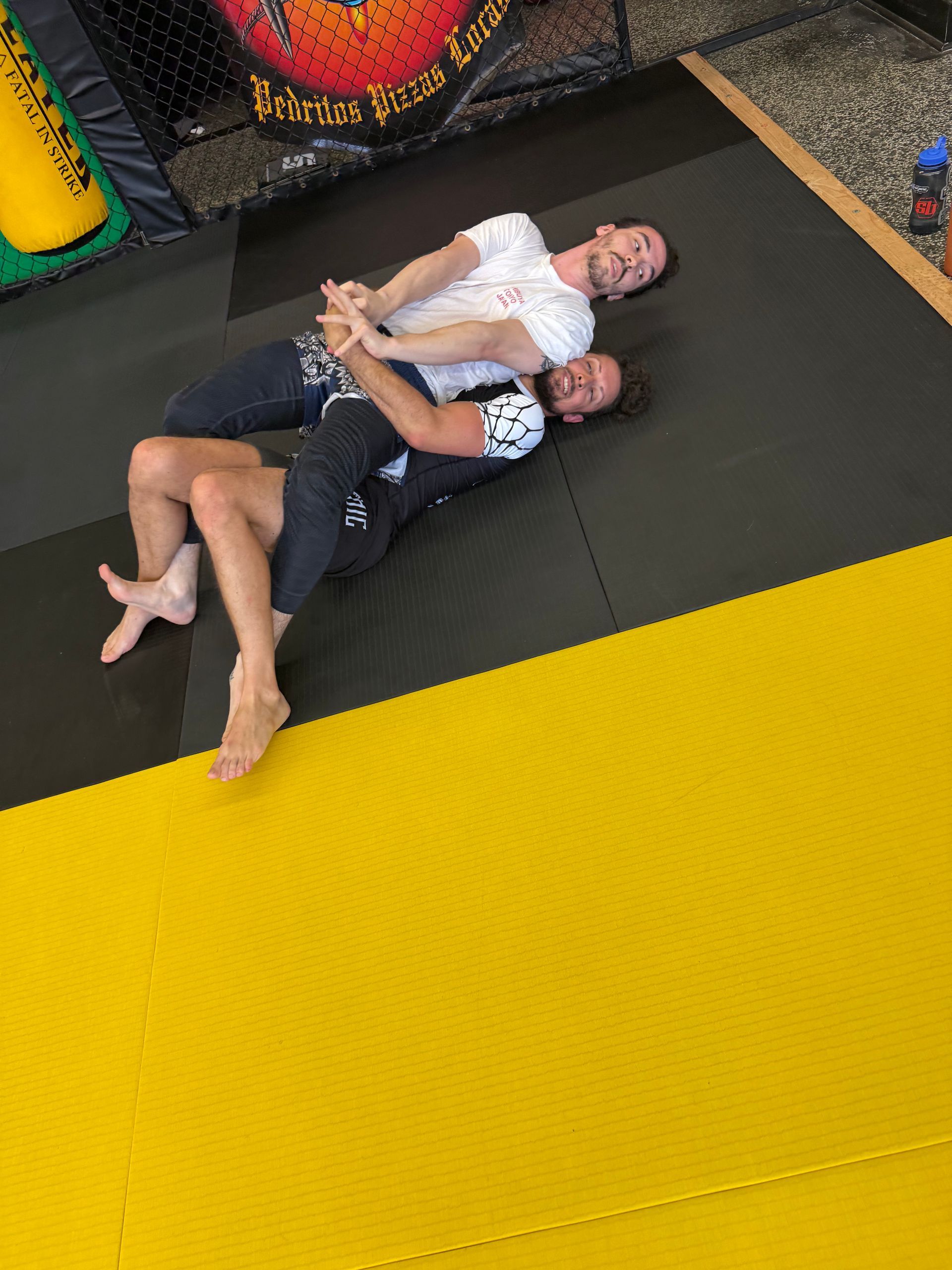
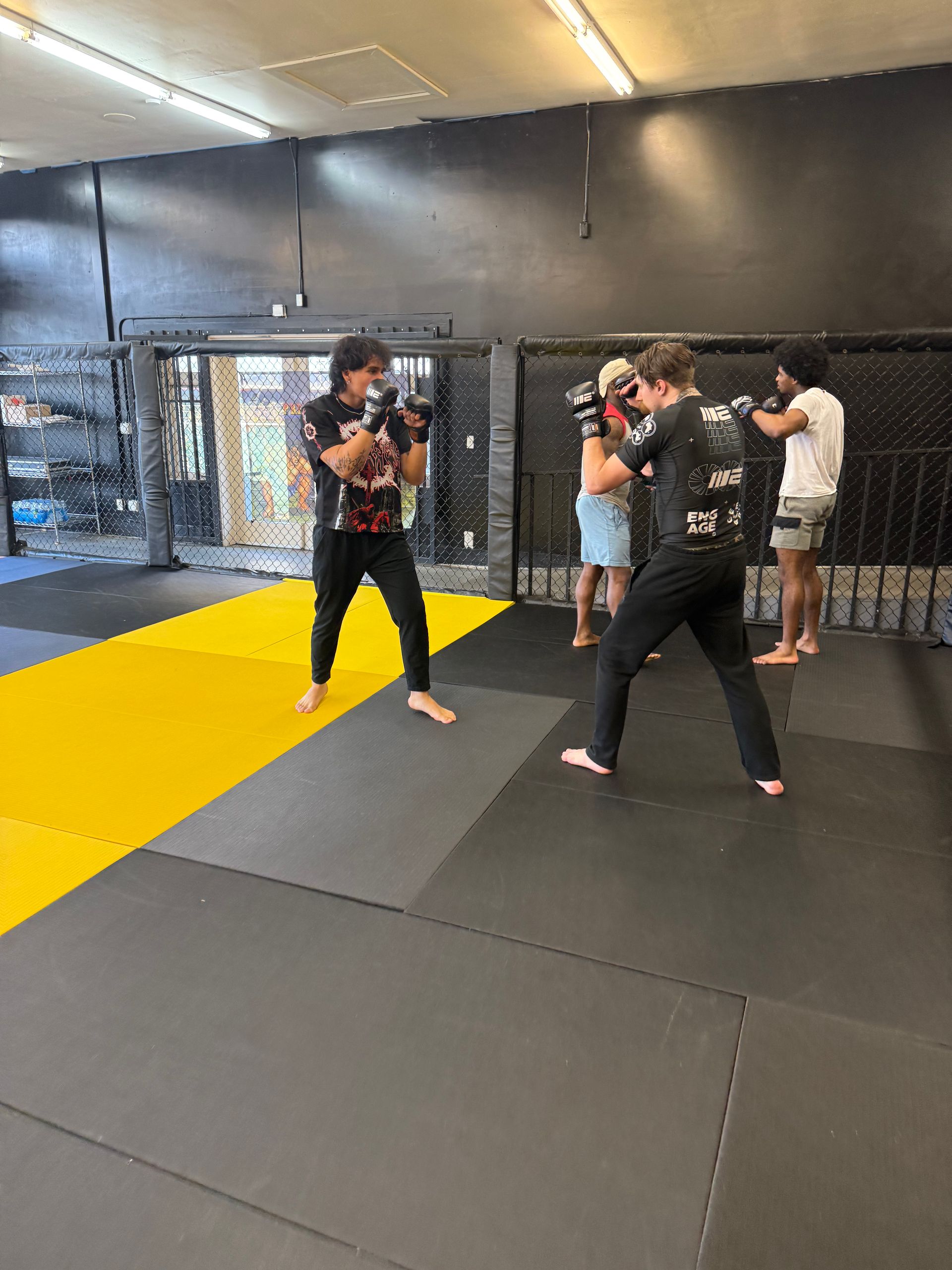
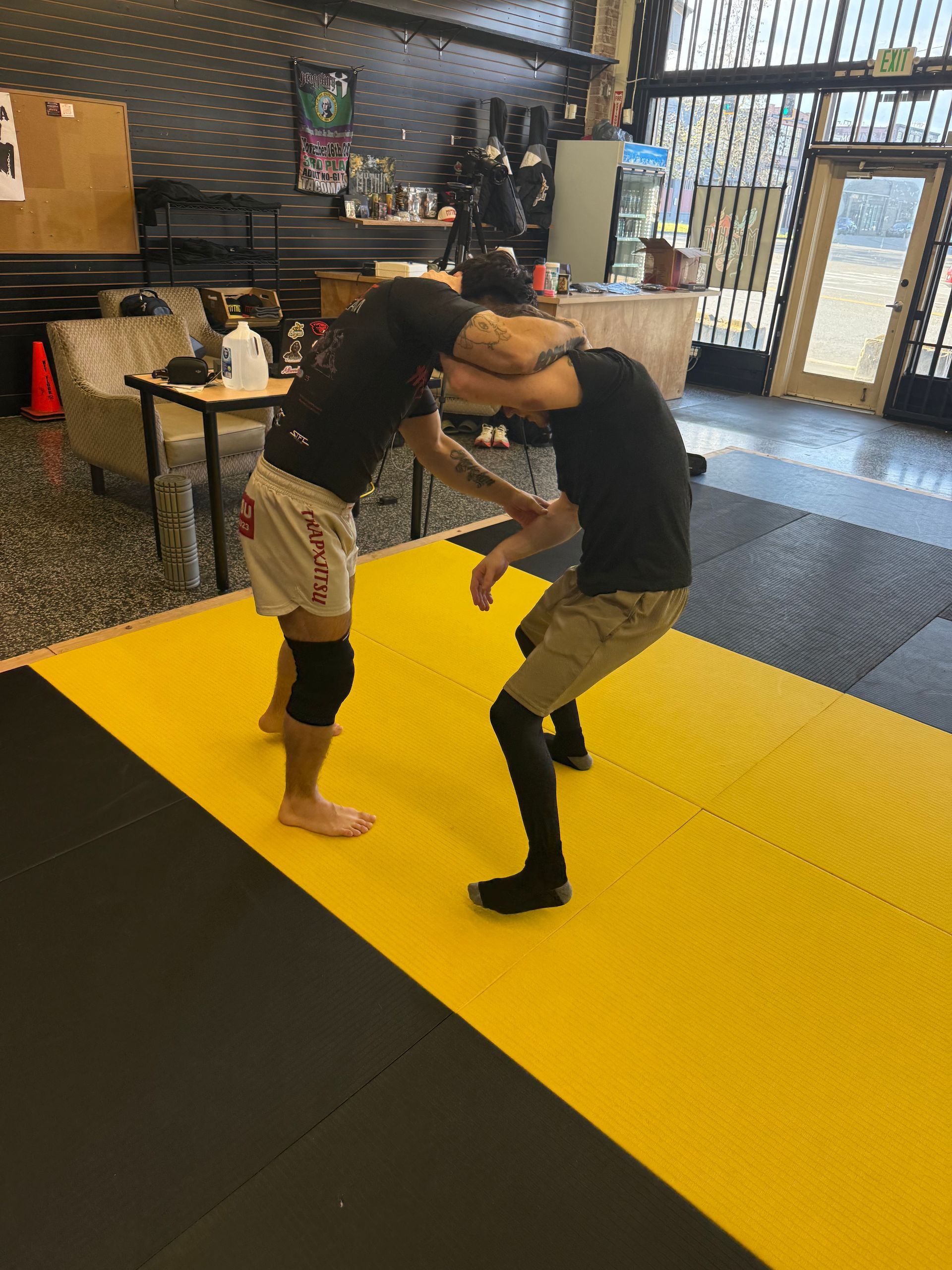
Confidence is not a personality trait, it is a skill you can build one class at a time.
Adult Jiu-Jitsu works because it gives you a clear problem to solve in every round: stay safe, improve position, and make smart decisions under pressure. That structure matters, especially if you want real confidence, not just a temporary motivational spike. In Tacoma, WA, where long workdays, rainy months, and packed schedules are normal, it helps to have an indoor practice that improves your fitness and your mindset at the same time.
We built our Adult Jiu-Jitsu program to feel approachable from day one, even if you have never trained before. You do not need to be athletic, flexible, or “in shape” first. You just need a starting point and a plan you can follow.
Below is our step-by-step confidence roadmap, based on what we see work for adults who want practical self-defense, better conditioning, stress relief, and a community that keeps training enjoyable.
Why Adult Jiu-Jitsu builds real-world confidence
Confidence grows fastest when you practice staying calm in uncomfortable situations, then see proof that you can handle more than you thought. That is what Jiu-Jitsu does in a controlled way. You learn how to manage distance, grips, pressure, and fatigue while still making decisions. Over time, that carries into everyday life: you breathe better under stress, speak up more clearly, and feel less rattled by small problems.
Adult Jiu-Jitsu also checks multiple boxes at once. It is a full-body workout that builds functional strength, mobility, and conditioning, while also demanding focus and resilience. Many public-facing fitness summaries estimate roughly 300 to 1,000 calories burned per class depending on intensity, body size, and how hard you roll, which makes it a serious alternative to a standard gym session. But the bigger payoff is that you leave class feeling capable, not just tired.
And for adults who worry about long-term wear and tear, grappling is often appealing because it does not center on head strikes the way many striking arts do. Training still requires care and smart partners, of course, but the overall vibe is skill-first rather than collision-first.
Why Adult Jiu-Jitsu fits Tacoma adults
Tacoma has an active martial arts scene, which says something important: adults here want practical training, not just entertainment. We also notice a few local lifestyle realities that make Adult Jiu-Jitsu in Tacoma, WA a particularly strong fit.
First, the weather. When it is dark early and raining sideways, consistency gets harder. A reliable indoor training routine makes year-round fitness more realistic.
Second, Tacoma adults tend to balance a lot: long commutes, physical jobs, desk jobs that stiffen hips and backs, and family schedules that do not budge. Jiu-Jitsu gives you strength work, cardio, balance, and coordination in one session, so you do not need three separate workouts to feel progress.
Third, stress is real. Recent adult-focused Jiu-Jitsu content leans heavily into mental health benefits such as reduced anxiety, improved mood, and stronger social connection, and that matches what we hear from students. The room feels lighter after training. You show up carrying the day, and you leave with your shoulders down.
Step 1: Set your goal so your confidence has a direction
“Confidence” is the outcome, but you will progress faster with a specific target. We recommend choosing one primary goal for your first 30 days, then letting everything else improve as a bonus.
Here are beginner-friendly goals that pair well with Adult Jiu-Jitsu:
• Build a consistent routine by training two to three times per week
• Learn to escape bad positions without panicking
• Improve cardio and mobility in a way that feels practical
• Get comfortable with controlled sparring at your pace
• Develop basic self-defense habits like posture, base, and awareness
If you want self-defense confidence, we focus on fundamentals that show up everywhere: how to stay balanced, how to protect your neck, how to create space, and how to control someone safely when you need to.
Step 2: Know what to wear and how to show up on day one
The first class should feel simple. You do not need fancy gear. If you have a gi, great. If not, we can point you in the right direction based on the program. For no-gi sessions, athletic clothing that is fitted enough to avoid snagging is best.
A few practical first-day tips we share with new students:
• Arrive 10 to 15 minutes early so you are not rushed
• Bring water and a small towel, because you will sweat
• Trim nails and remove jewelry for safety
• Eat a light meal one to two hours before class, not right before
• Expect to feel awkward briefly, because everyone does at first
Awkward does not mean you are behind. It just means you are learning a new physical language.
Step 3: Understand what a typical class looks like
One of the biggest confidence killers is uncertainty. So we keep class structure consistent enough that you can relax and focus.
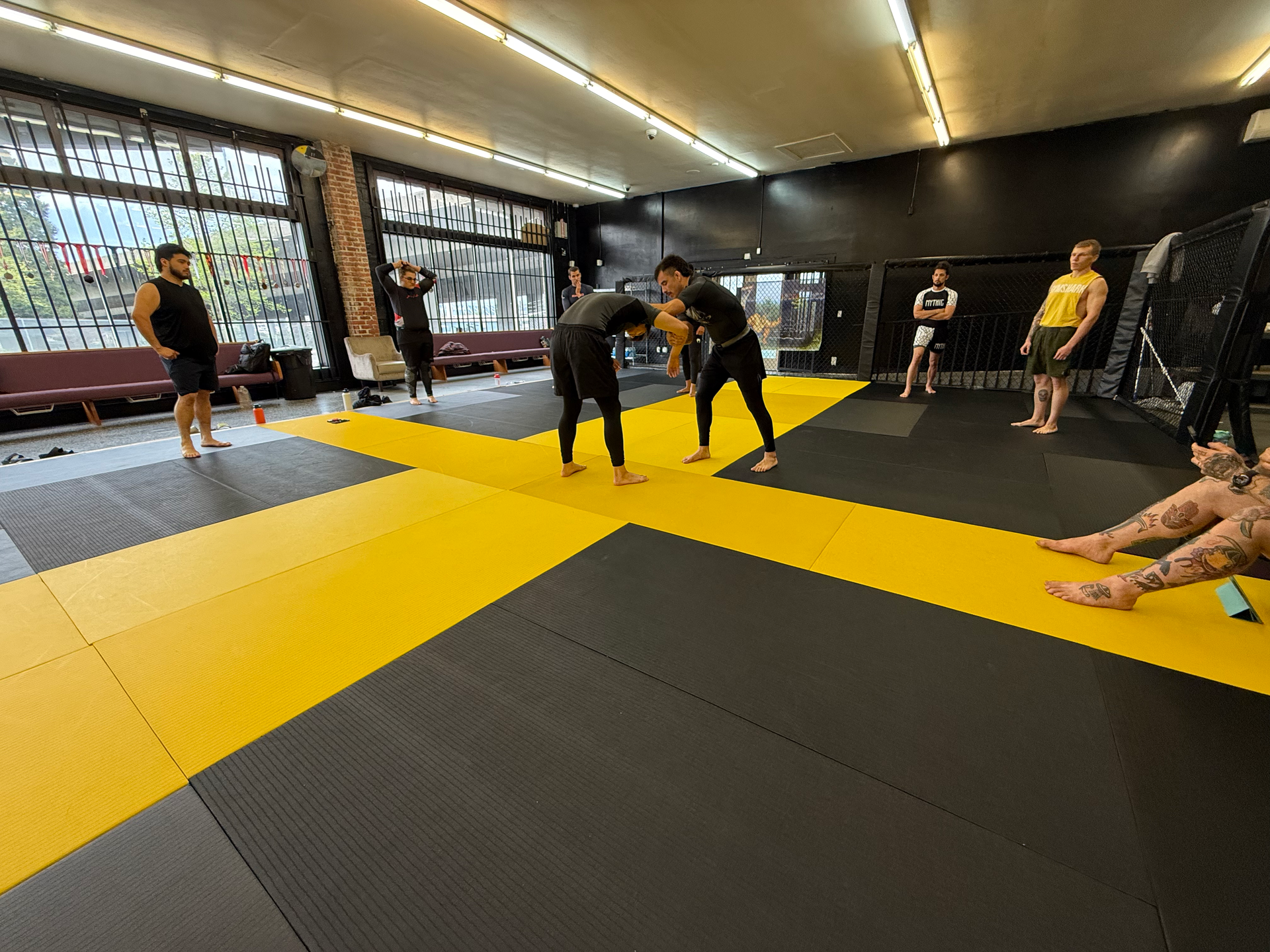
Most Adult Jiu-Jitsu classes follow a pattern:
Warm-up that prepares you to move well
We treat warm-ups like skill prep, not punishment. You will work through movements that build coordination and protect your joints, especially hips, shoulders, and neck. Over time, you notice daily-life benefits like better balance and fewer “stiff morning” moments.
Technique with clear coaching cues
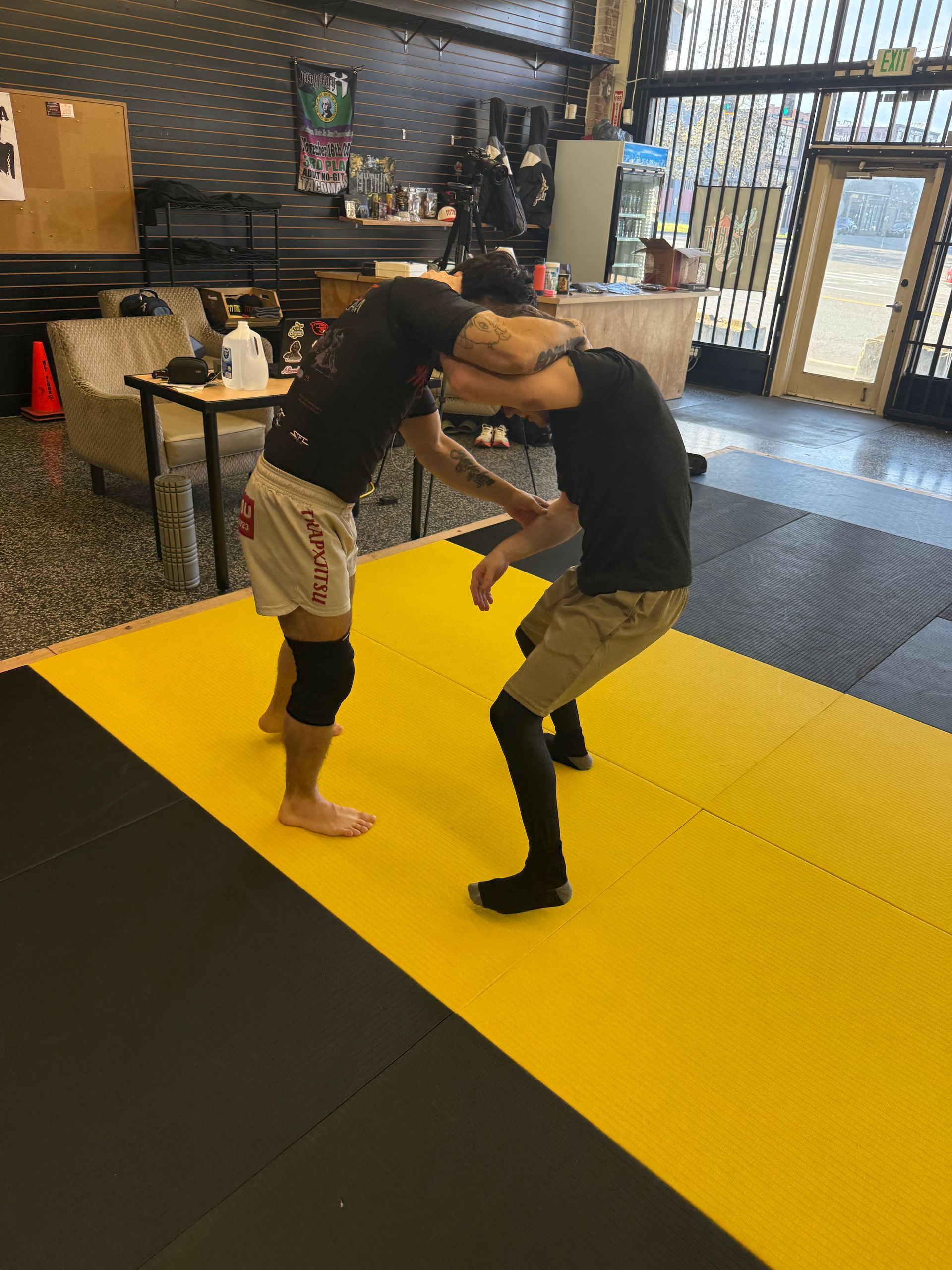
We teach a small set of details at a time. You will learn where your weight goes, what grips matter, and how to keep your posture when pressure increases. That is where confidence starts: you understand what to do, not just what to copy.
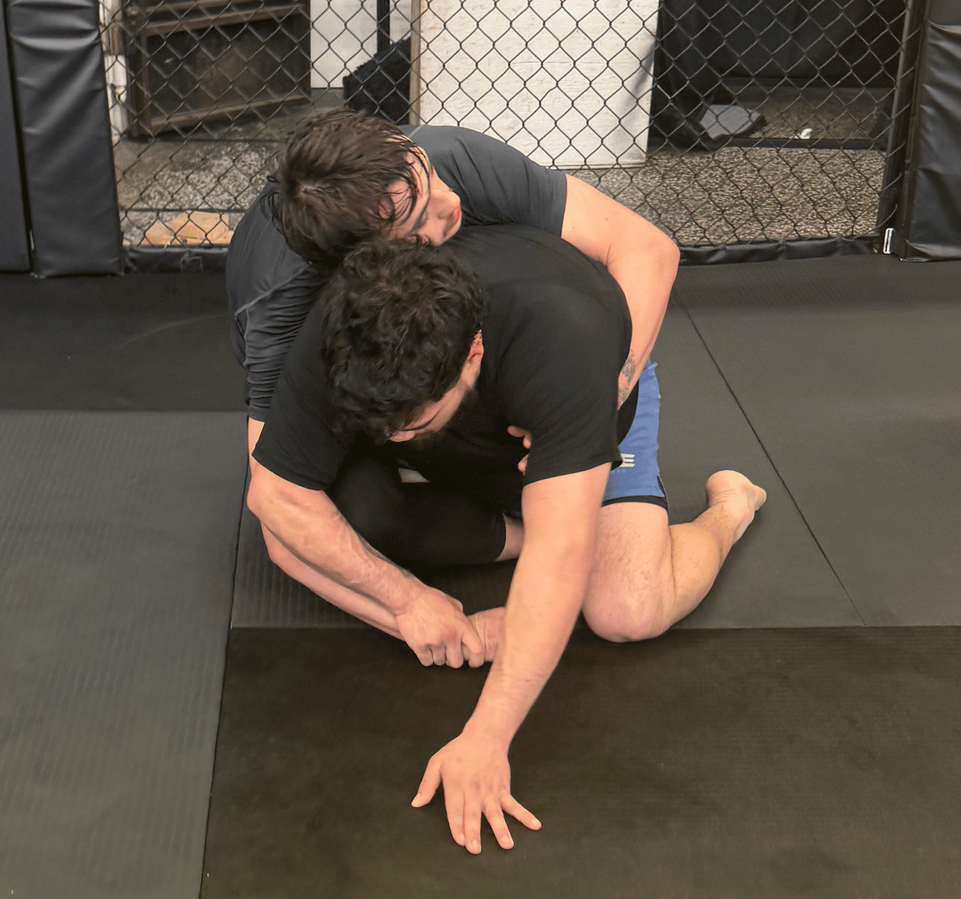
Partner drilling
Drilling gives you repetitions without the chaos of full resistance. You build competence before intensity. If you are nervous about sparring, drilling is where you start feeling safe and capable.
Live training, scaled to your level
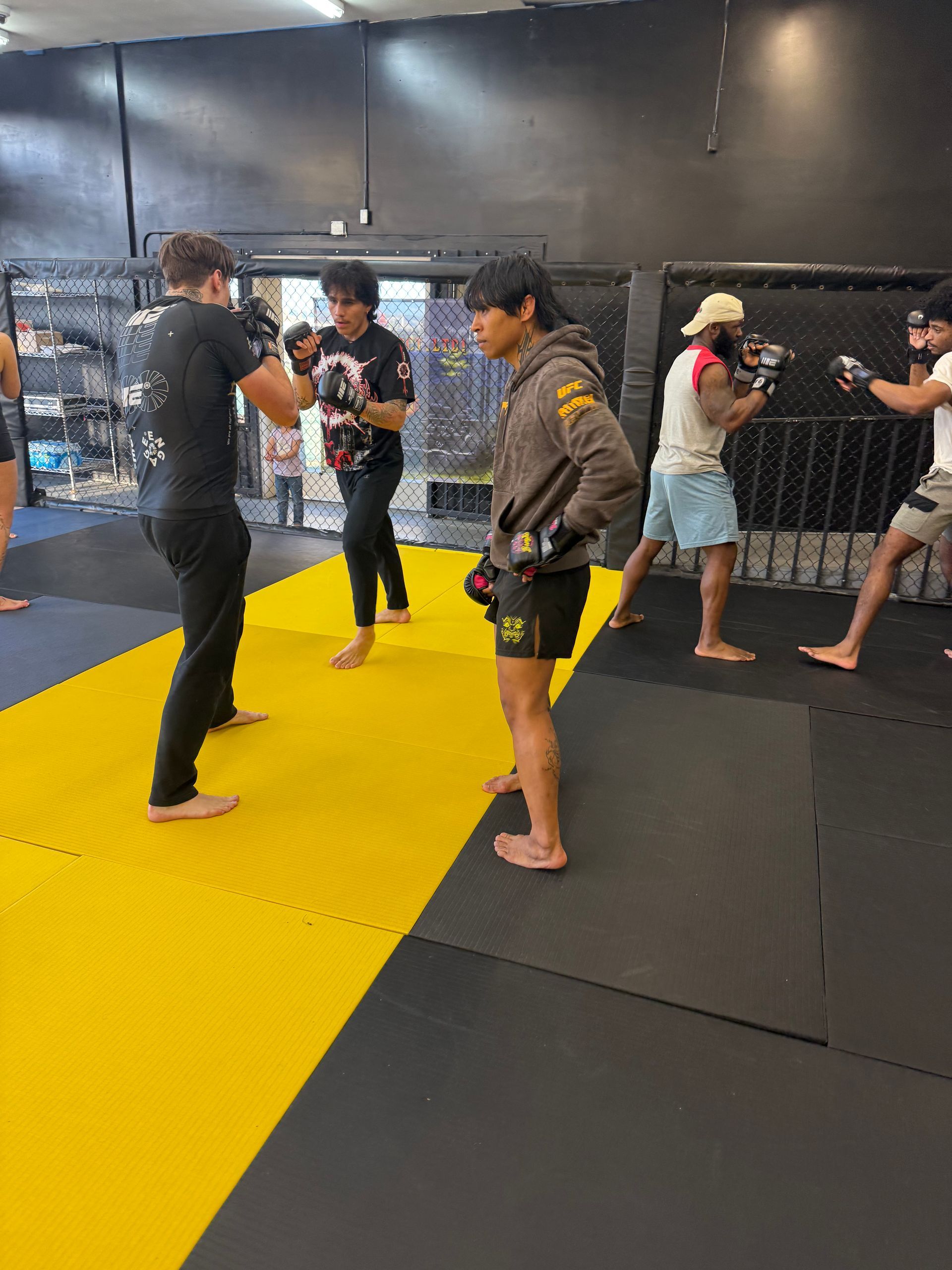
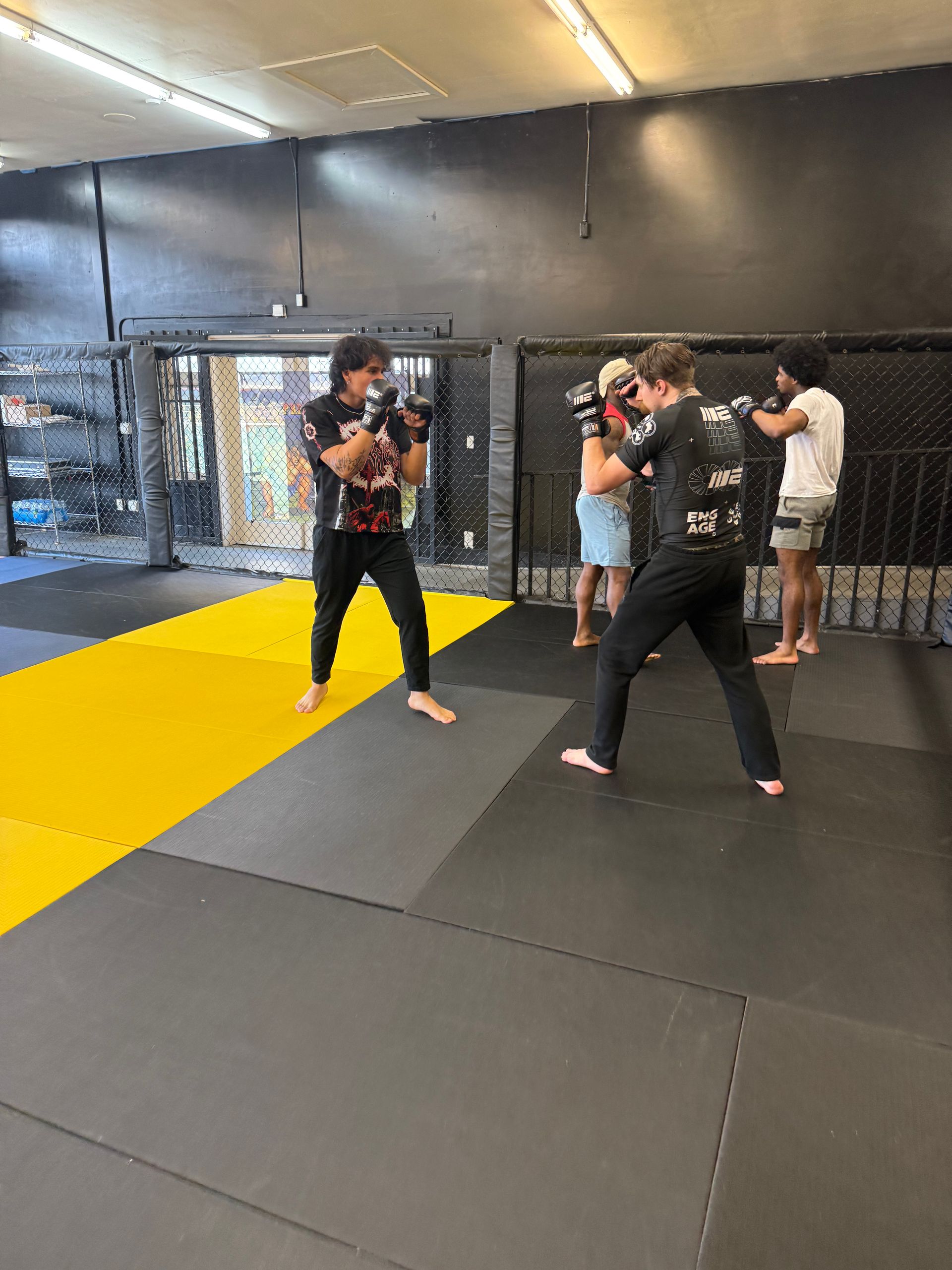
Live rounds are where Adult Jiu-Jitsu becomes real. We scale intensity and pair you thoughtfully. You can start with positional sparring, shorter rounds, or specific goals like “escape the pin” rather than “win.”
Step 4: Use a simple confidence checklist for your first month
Progress feels faster when you can measure it. The best metric is not taps. It is how well you handle discomfort.
Here is the confidence checklist we like for your first 30 days:
1. You can name three positions and explain the goal of each one
2. You can frame and breathe when someone is on top of you
3. You can escape at least one common pin with solid mechanics
4. You can maintain top position briefly without rushing
5. You can do a light round without feeling overwhelmed afterward
6. You can ask a question mid-class without feeling self-conscious
If you can check off even two or three of these in month one, you are on track. Confidence builds from evidence, and these are real pieces of evidence.
Step 5: Train safely so your confidence keeps growing
Adults often quit new fitness routines because the body feels beat up, not because motivation disappears. We want you training for years, not weeks, so we emphasize longevity habits from the start.
Tap early and often
Tapping is not losing. Tapping is training. If something feels tight or painful, you tap, reset, and learn what created the position.
Choose intensity like a dial, not a switch
Some days you train hard. Other days you go technical. Both matter. Confidence improves when you can control your output, not when you burn out.
Communicate with partners
A quick “let’s keep it light” before a round changes everything. You are allowed to protect your body and your schedule. Most adults have work tomorrow.
Recover like an adult, because you are one
Sleep, hydration, and light movement on off days go a long way. If you train two to three times per week consistently, you will progress. A study snippet has noted that many engaged adult practitioners attend three to five times weekly, which shows strong retention when training becomes a habit, but you do not need that frequency on day one.
Step 6: What to expect in the first 30 days (and why this is the sweet spot)
The first month is where confidence changes the most, because the fear of the unknown fades. You start recognizing patterns: where you are safe, where you are not, and what to do next.
Week 1 is mostly orientation. You learn basic movement, etiquette, and a few core ideas like posture and frames. Expect your lungs to notice the effort, even if you already lift weights or run. Grappling is its own kind of conditioning.
Week 2 is where things click. You stop thinking “what is happening” every second and start thinking “I know this position.” You will still get stuck, but you will also escape sometimes, and that is a big deal.
Week 3 is where you feel your tools developing. You begin to have a “go-to” escape or a “go-to” control position. You are no longer guessing every time.
Week 4 is where confidence becomes noticeable outside the gym. Stress feels more manageable. You sit up straighter. You handle uncomfortable conversations a little better. It is not magic. It is practice.
Step 7: Your first six months, explained in plain language
Months two through six are where Adult Jiu-Jitsu starts to feel like a real skill, not just a workout. You will build a foundation that makes you harder to control and easier to trust in a tough situation.
Here is what we aim for in that time frame:
• Cleaner escapes that rely on timing instead of strength
• More awareness of grips, underhooks, and head position
• Better pacing during rounds so you do not gas immediately
• Increased mobility and durability from consistent movement
• A calmer mind under pressure, even when you are tired
This is also when many adults decide how often to train long term. Two sessions a week can build steady progress. Three sessions a week often feels like the tipping point where improvement becomes obvious.
Step 8: How confidence shows up in everyday life
People often come for self-defense or fitness, but the confidence gains become broader than that. You learn to stay present while uncomfortable. You practice solving problems while fatigued. You get used to learning in public, making mistakes, and improving anyway.
That kind of confidence is durable. It shows up when you walk to your car at night with better awareness. It shows up when you are stressed at work and your breathing stays steady. It shows up when you realize your body can do hard things again.
If you are searching for Jiu-Jitsu in Tacoma, WA because you want something practical, Adult Jiu-Jitsu gives you a path you can actually follow.
Adult Jiu-Jitsu FAQ for Tacoma beginners
Am I too old to start?
No. Adult Jiu-Jitsu is adaptable across ages and fitness levels, and we scale training so you can build up safely.
Do I need to get in shape first?
No. Training is how you get in shape. We progress conditioning over time, and you will feel changes quickly if you stay consistent.
Will I have to spar right away?
No. We can start you with drilling and positional work, then ease into live rounds when you are ready.
Is it good for stress?
Yes. Many adult practitioners report improved mood and reduced anxiety over time, and we see that benefit show up consistently in class.
How often should I train?
Two to three times per week is a strong starting point. As your recovery improves, you can add sessions if you want faster progress.
Ready to Begin at Mythic Martial Arts
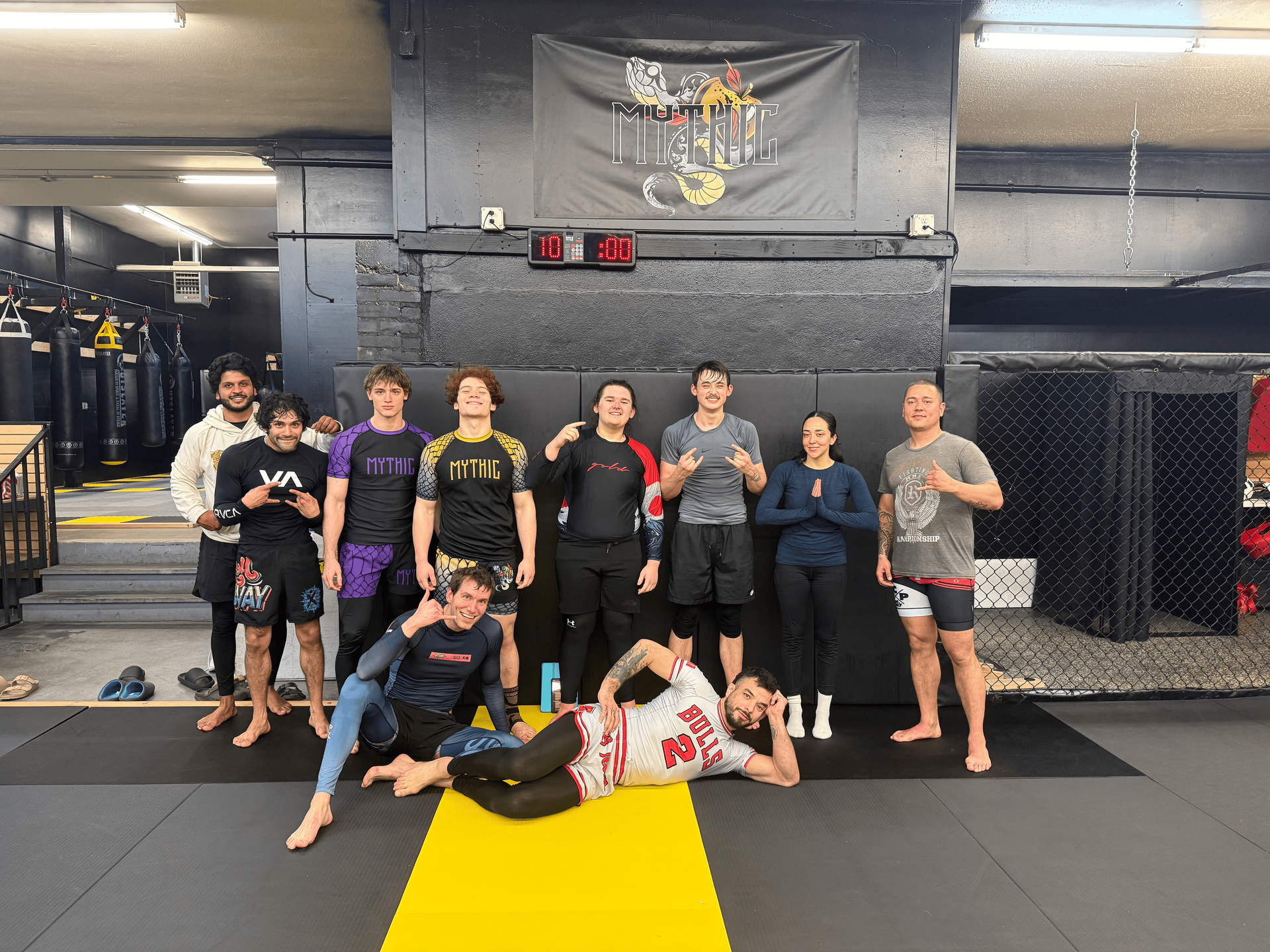
Building confidence through Adult Jiu-Jitsu works best when your training is structured, beginner-friendly, and consistent enough that you can see progress month to month. That is exactly how we run our classes, and it is why so many Tacoma adults stick with it once they start.
If you are looking for Adult Jiu-Jitsu in Tacoma, WA that develops practical skill without making you feel overwhelmed, we would love to help you take that first step and keep momentum through the first month and beyond at
Mythic Martial Arts.
No experience is necessary to
join a Brazilian Jiu-Jitsu, MMA, or kickboxing class at Mythic Martial Arts and learn step by step.